Just Say Hey
Just Say Hey
Just Say Hey · partnerships
Every big community hits the same wall: hundreds of members, a handful of organisers, and no way to know who should meet whom. Just Say Hey closes that gap.
01 Why people come to us
Whatever you run, underneath it you're selling the same thing: people feel like they're part of something. That feeling is produced by introductions, invitations and small repeated rituals, and every one of them currently depends on somebody remembering to make it happen.
The gap is operational, not philosophical. Connection happens when someone engineers it, and the people who do it well do it through sheer personal effort. They know everyone, they make the introductions, they fill the room. Then they burn out or move on, and the map leaves with them.
Our whole thesis is what happens when that effort gets leverage. Not a portal with a dead forum tab. A room that knows who is in it.
What we believe
Nobody should need luck to find their people.
Just Say Hey is an in-person community platform: the layer that makes a group know itself. Who's in, who's new, who does what, what's on this week, and who else wants to come.
02 Why it's different
RSVP platforms and member portals all stop at the same line: a list of names who clicked. Who those people are, what they share and who ought to meet stays locked in your best organiser's head, and leaves when they do. This platform's whole job is that second layer. Here's what it looks like in practice.
Two residents three floors apart both list the same show on their profiles. The platform surfaces the overlap, an organiser taps approve, and the season finale gets a couch full of neighbours.
Hosts walk in with a brief, not a guest list: who's new, who's a regular, which two people should definitely meet and what to open with. Working a room stops being a memory test.
A founder needs a photographer and has been googling strangers. The directory knows one sits by the window. One introduction later, both memberships are harder to cancel.
"Anyone up for lunch after training?" is one tap that quietly forms a chat of the four people actually free, instead of a message to 400 that nobody answers.
Every newcomer is surfaced to the community with a face, a name and what they're into, so week one is a string of hellos instead of a membership card and silence.
The member map shows which suburbs your community actually lives in, so the next event lands where your people are, not where the venue has always been.
03 The shape
Same machinery underneath, arranged to match how you actually run. A university faculty, a twelve-site operator and a 400-member club all use the same layer; they just wear it differently.
04 What's in the box
Every moment above is running machinery, not a storyboard. Built over the past year with real communities and real hosts; nothing on this page is a mock-up or a roadmap item.
Event pages that share beautifully, free or paid, payouts to your own account, recurring series, capacity and waitlists.
A full-screen check-in tool: scan a QR or search a name, so you know who actually came and the queue keeps moving.
The photographer, the accountant, the founder who needs both: searchable profiles of what everyone does, offers and needs, so the connection people joined for can actually be found.
Suggested intros based on interests, industry and asks, approved by a human before anyone is bothered.
Lunch, coffee, a walk, a lift. One tap forms a small chat of people who are genuinely free, instead of a broadcast nobody answers.
Where your members actually live and gather, shown at suburb level, never street addresses. The next event gets planned where the people are.
Updates surface on entry until read, then archive tidily. Reach you can see, without another all-members email.
Post-event feedback goes out automatically and comes back as exportable data. Every event tunes the next one.
05 For your team
One person cannot personally know 500 members. One person holding the room's map can act like they do. That's the job this does.
06 How it goes
A small, reversible experiment with success criteria we agree on before we start, not a contract with a pilot attached.
Calls with the people who run it today: how it works now, which rituals land, where the effort burns out, what members keep asking for.
Map your community into the platform: branding, groups, the quarter's calendar, roles for staff and a few member champions.
We run onboarding alongside your team and carry the operational load. Your people's cost is enthusiasm, not hours.
Metrics agreed up front: activation, event attendance, introductions made, and members' own reported sense of belonging, next to your renewal numbers.
Scale it, adjust it, or stop. Either way the data is yours and exports cleanly. No community held hostage by a vendor decision.
07 Who this is for
Three of these have a full written proposal behind them, because that's where we started. The rest of the list is who has been getting in touch since.
Residence halls and student accommodation: belonging as part of the education itself.
Apartment and build-to-rent communities: the building that knows itself, and renews.
Co-working spaces: members stay where they belong. We make sure they meet.
Not on the list? That’s genuinely fine, and worth a conversation. Tell us what you run and we’ll be straight with you about whether it fits.
The economics
People stay where their people are.
A venue, a calendar and a newsletter can all be copied. The relationships between your members can't. When someone's closest friends, collaborators and Thursday-night plans all live inside your community, renewing stops being a decision, and their story is what brings the next ten people in.
08 Who you'd work with
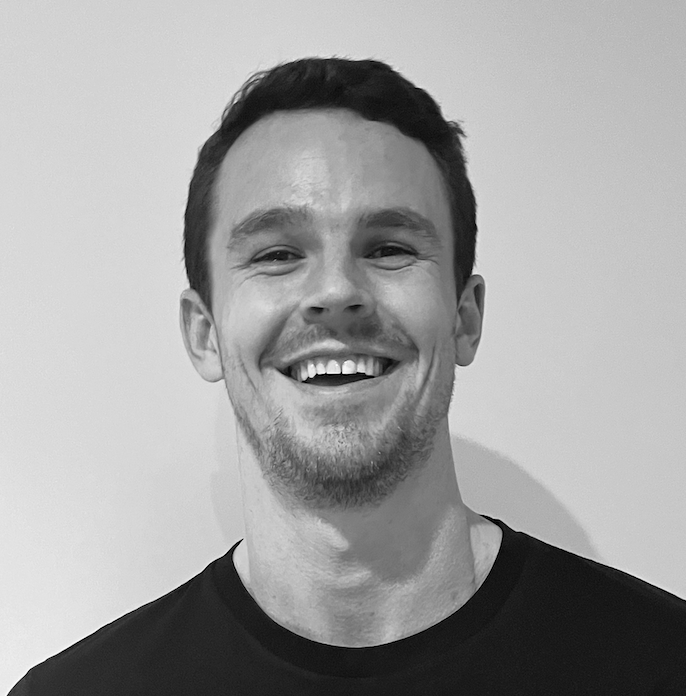
Grant Fullston, founder of Just Say Hey. Melbourne, Australia.
I’ve hosted around 300 in-person events and built and ran a 2,000-person community before writing a line of this platform. Before that I was a senior AI engineer. Everything here was built alongside real community organisers and shaped by their feedback.
I started Just Say Hey because finding your people shouldn’t come down to luck. If we work together, you work directly with me.
09 Start the conversation
Tell us a little about your community and we’ll come back within a day or two to find a time. There’s nothing to prepare. We mostly want to hear how it works for you today, and where it gets hard.